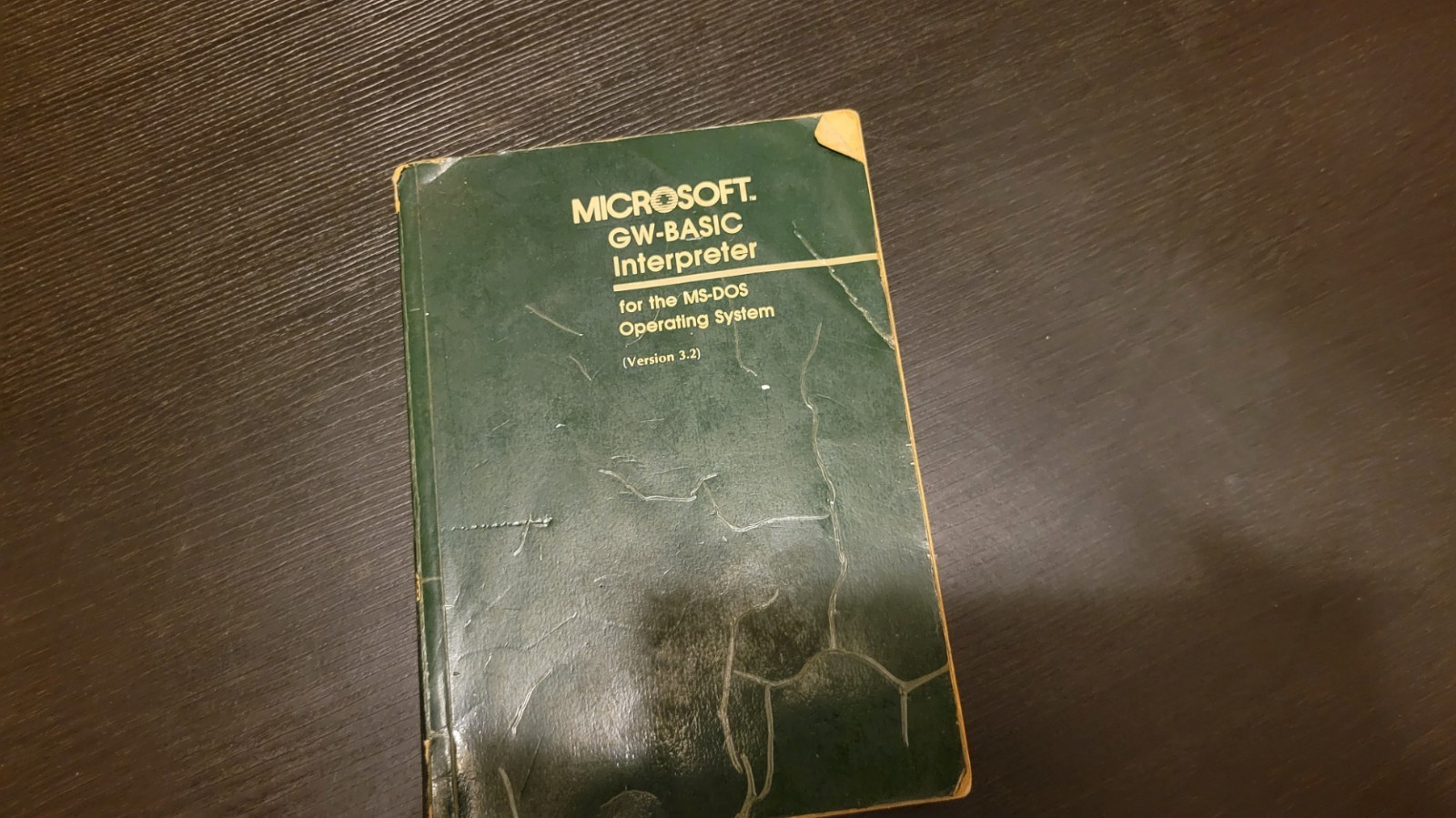
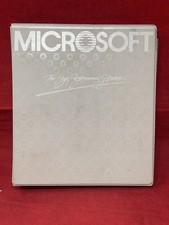
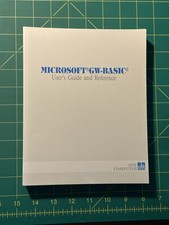
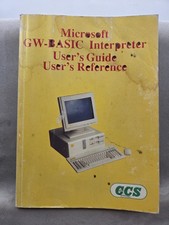
Microsoft *GW‑BASIC Interpreter for the MS‑DOS Operating System 3.2* — What This Book Is
This book is part of a **1986 Microsoft documentation set** that accompanied **GW‑BASIC 3.2**, the version bundled with **MS‑DOS 3.2**. It served as both an **introductory guide** and a **technical reference** for users learning to program in GW‑BASIC on early IBM‑compatible PCs.📘 What the Book ContainsThe manual is structured to take a beginner from zero knowledge to writing functional BASIC programs. It typically includes:
1. Introduction to GW‑BASIC**- What GW‑BASIC is- How to start it from MS‑DOS- How to load, save, and run programs- Overview of the interactive environment (prompt, editing, line numbers)
2. Programming Basics**- Variables, data types, and expressions- Control flow: `IF...THEN`, `FOR...NEXT`, `GOTO`, `GOSUB`- Input/output basics (`PRINT`, `INPUT`, `OPEN`, `CLOSE`)- Error messages and debugging tips
#### **3. Graphics & Sound**- Drawing lines, shapes, and using color- Screen modes- Simple sound generation with `SOUND` and `PLAY`
4. File Handling**- Sequential and random‑access file operations- Using files for data storage- Working with device files (keyboard, screen, printer)
5. Full Command & Function Reference**- Alphabetical list of all GW‑BASIC statements- Syntax, parameters, examples- Memory maps and system notes
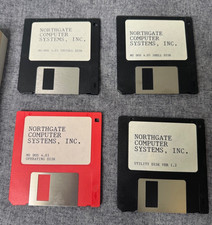
📚 How It Fit Into the Documentation SetThe GW‑BASIC 3.2 Interpreter book was bundled with:- **Microsoft User Guide**- **Microsoft User’s Reference**- **Microsoft MS‑DOS Programmer’s Reference**Together, these formed the complete documentation package for MS‑DOS 3.2 systems.
🧭 Who the Book Was For- New PC users in the mid‑1980s- Students learning their first programming language- Hobbyists writing games, utilities, or automation scripts- Early business users creating simple data‑entry programs
🧩 Why It Matters TodayThe manual is a snapshot of early personal computing—clear, methodical, and designed for people encountering programming for the first time. It’s also a valuable reference for retro‑computing enthusiasts restoring vintage DOS machines or running GW‑BASIC in emulators.